
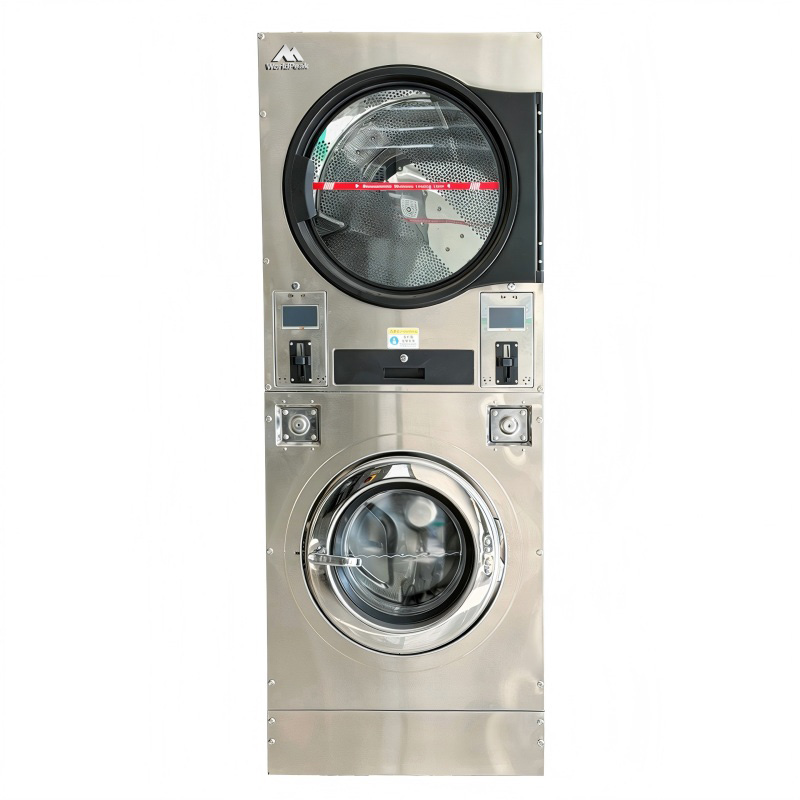
По мере совершенствования логистических служб кампусов интернаты, колледжи, университеты и другие учебные заведения все чаще устанавливают отдельные прачечные, чтобы предоставлять студентам удобные, гигиеничные и надежные услуги по уходу за одеждой. По сравнению с гостиничными прачечными или крупными промышленными прачечными, школьные прачечные обслуживают плотную студенческую аудиторию, часто эксплуатируются и в основном обрабатывают форму, постельное белье и повседневную одежду. Поэтому при комплектации основное внимание уделяется безопасности, удобству, гигиене, долговечности, простоте эксплуатации и управления, а не чрезвычайно высокой производительности. Правильно спроектированная система оборудования для школьной прачечной может улучшить условия жизни студентов и одновременно снизить эксплуатационную нагрузку на логистические службы кампуса.
- Какое оборудование требуется школьной прачечной?
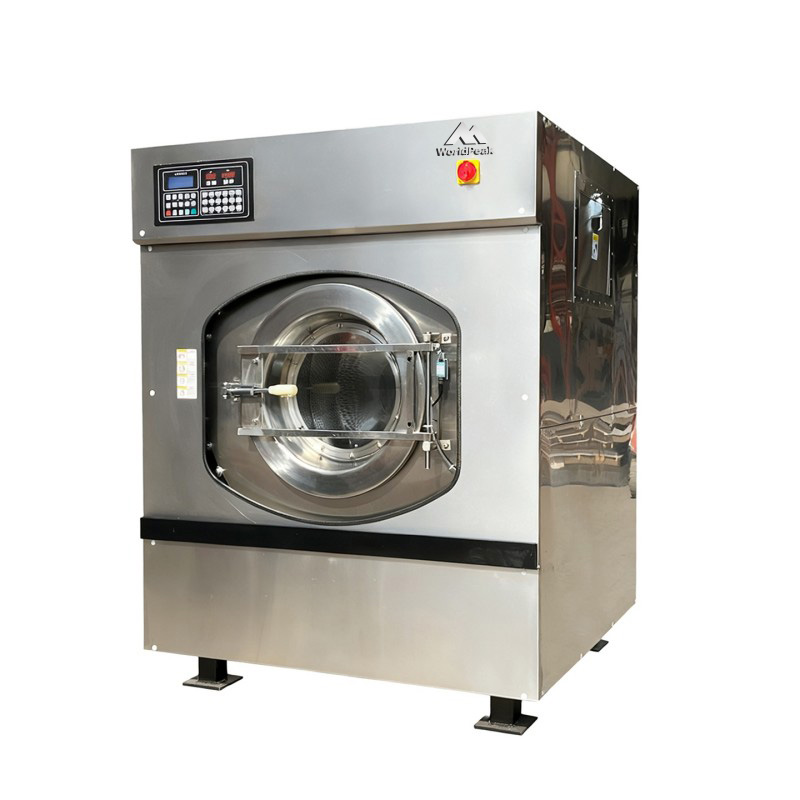
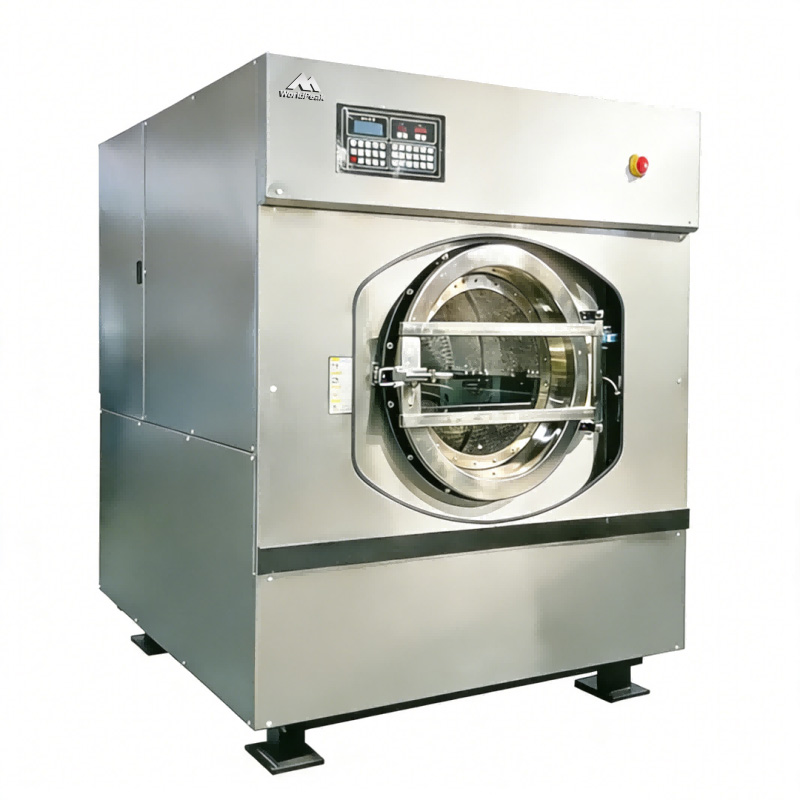
- Коммерческое стиральное оборудование для школ
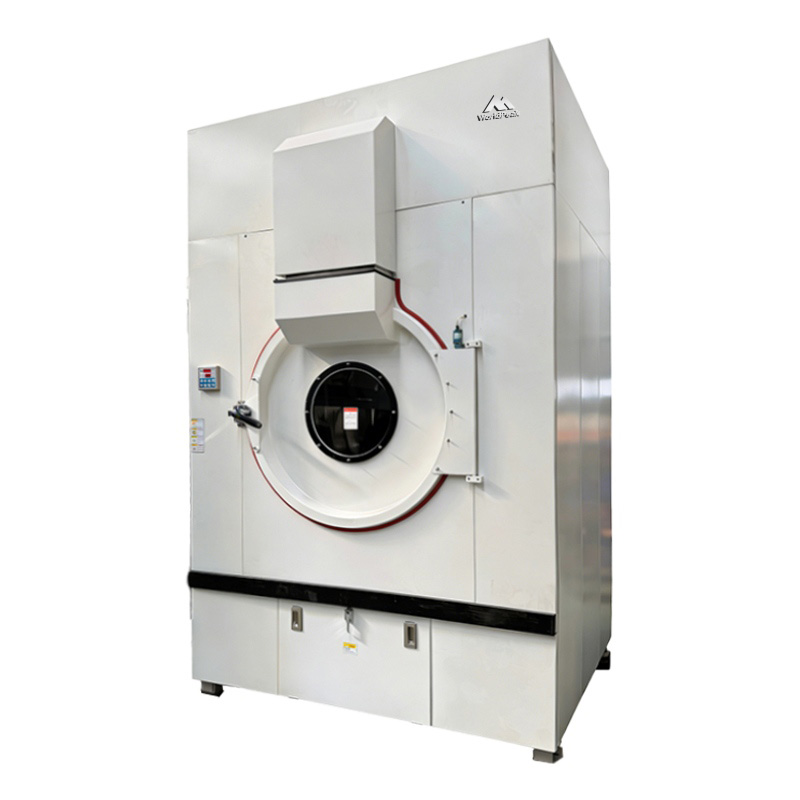
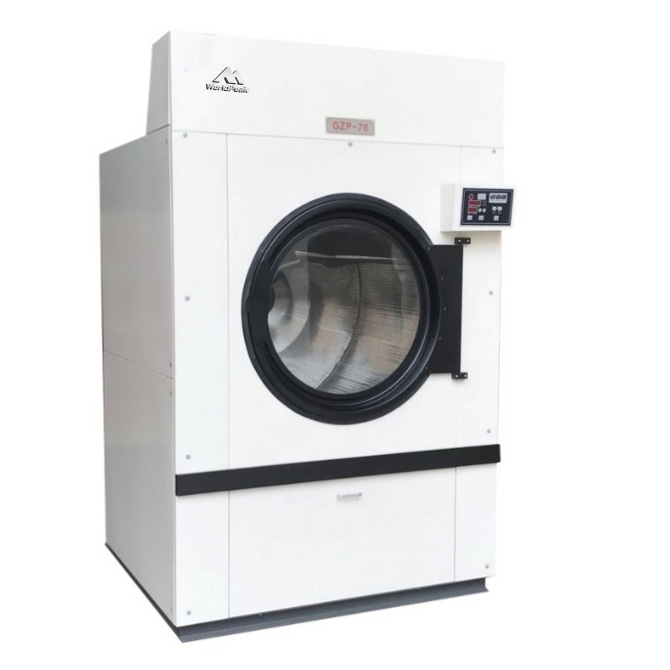
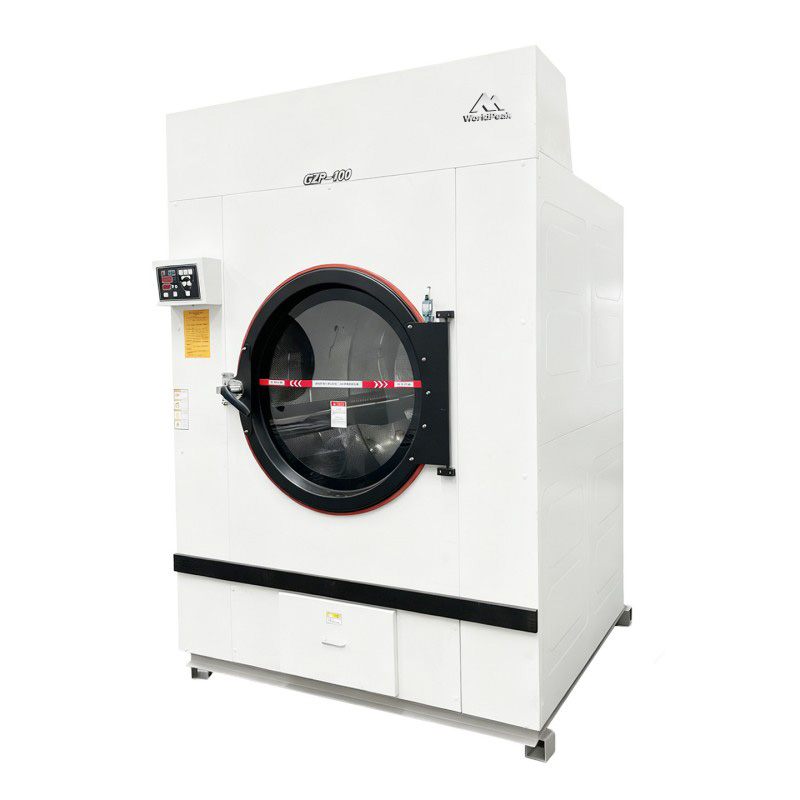
- Коммерческие сушильные машины для прачечных кампуса
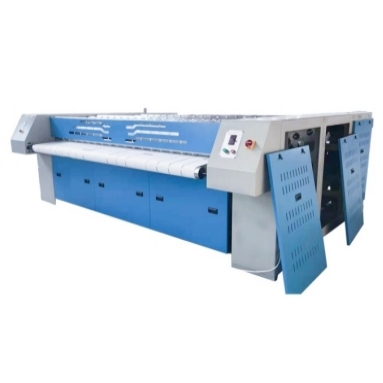
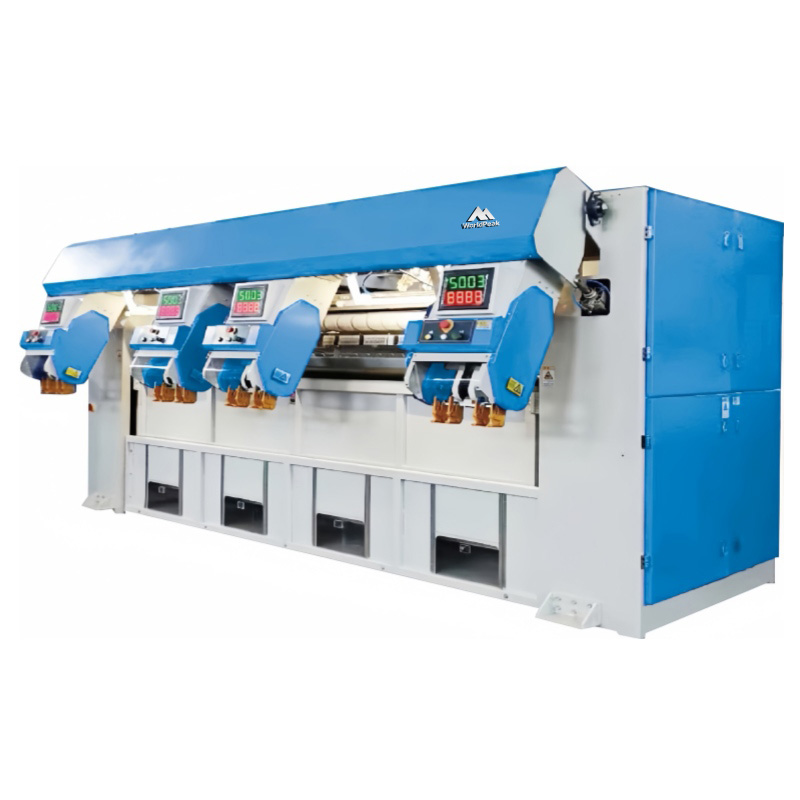
- Гладильное и отделочное оборудование
- Вспомогательное оборудование и санитарное управление
- Системы самообслуживания для прачечных кампуса
- Комплектация оборудования по размеру учебного заведения
- Как выбрать оборудование для школьной прачечной
- Часто задаваемые вопросы
Какое оборудование требуется школьной прачечной?
Полный прачечная кампуса обычно не требует такой же сложной производственной линии, как крупная коммерческая прачечная. Вместо этого оборудование должно соответствовать привычкам студентов, ежедневному объему белья, размеру общежитий, доступной площади и предпочтительной модели управления учебного заведения.
К основным категориям оборудования обычно относятся:
- Коммерческие стиральные машины или стирально-отжимные машины
- Коммерческие барабанные сушильные машины
- Базовое гладильное и отделочное оборудование
- Рабочие столы для складывания и сортировки
- Оборудование водоподготовки и дренажа
- Оборудование для раздельного хранения чистого и грязного белья
- Системы оплаты и управления самообслуживанием
Небольшим интернатам может быть достаточно нескольких стиральных и сушильных машин, тогда как крупным университетам могут понадобиться несколько точек самообслуживания, распределенных по разным общежитиям.
Коммерческое стиральное оборудование для школ
Стиральное оборудование является основой школьной прачечной. Студентам регулярно нужно стирать форму, футболки, брюки, спортивную одежду, простыни, пододеяльники, наволочки, полотенца и другие личные текстильные изделия. При высокой концентрации спроса в общежитиях бытовые машины могут не обеспечивать достаточную производительность или долговечность для частого совместного использования.
Коммерческое стиральное оборудование для кампусов обычно предлагает большую загрузку, программируемое управление, прочную конструкцию и упрощенную эксплуатацию. Это позволяет школам организовать как централизованную стирку, так и самообслуживание студентов.
Программируемые циклы стирки
Современные коммерческие стиральные машины могут иметь разные программы для типичных кампусных текстилей, включая школьную форму, хлопковое постельное белье, спортивную одежду и повседневные вещи. Температуру, длительность цикла, скорость барабана, частоту полосканий и скорость отжима можно регулировать в зависимости от типа текстиля.
Подходящие программы помогают удалять пот, пыль, пищевые пятна и обычные повседневные загрязнения, одновременно уменьшая ненужную механическую нагрузку на одежду.
Автоматическая работа одним нажатием
Простое автоматическое управление особенно важно в студенческих прачечных самообслуживания. Пользователь может выбрать подходящую программу и запустить машину без сложного профессионального обучения.
В централизованных прачечных, которыми управляет логистический персонал школы, программируемые машины также помогают стандартизировать процедуры стирки и уменьшить различия между операторами.
Коммерческие стирально-отжимные машины
Учебные заведения с более высоким ежедневным объемом белья могут использовать коммерческие стирально-отжимные машины. Эти машины объединяют стирку, полоскание и высокоскоростной отжим в одном агрегате, уменьшают остаточную влажность перед сушкой и повышают общую эффективность процесса.
Коммерческие сушильные машины для прачечных кампуса
Коммерческие барабанные сушильные машины являются еще одним важным элементом прачечных кампуса, особенно в регионах с влажным климатом, продолжительными сезонами дождей или холодными зимами.
В общежитиях часто мало места для естественной сушки большого количества одежды и постельного белья. Во время затяжной влажной погоды вещи могут долго оставаться сырыми, приобретать неприятный запах и повышать риск появления плесени.
Почему школам нужны коммерческие сушильные машины
Полный коммерческая барабанная сушильная машина обеспечивает более предсказуемую сушку, чем естественная сушка на воздухе. Температуру и время можно регулировать в зависимости от типа текстиля, что позволяет эффективно сушить одежду и постельное белье круглый год.
Сушильное оборудование особенно полезно для:
- Школьной формы
- Спортивной одежды
- Простыни
- Пододеяльников
- Наволочки
- Полотенец
- Тяжелой зимней одежды
Согласование мощности стиральных и сушильных машин
Количество и мощность сушильных машин должны разумно соответствовать стиральному оборудованию. Если в прачечной много стиральных машин, но недостаточно сушильной мощности, влажная одежда может накапливаться в часы пик и создавать очереди.
Поэтому школы должны планировать мощности стирки и сушки как единую интегрированную систему, а не покупать эти виды оборудования независимо друг от друга.
Гладильное и отделочное оборудование для школьных прачечных
Не каждой прачечной кампуса требуется обширное гладильное оборудование, однако базовые отделочные рабочие места могут быть полезны в школах, где централизованно стирают форму или постельное белье.
Гладильные столы и отделочные рабочие места
Простые гладильные столы или отделочные рабочие места можно использовать для организации школьной формы, постельного белья и других текстильных изделий после стирки и сушки. Это помогает поддерживать аккуратный внешний вид и стандартизировать логистическое управление кампусом.
Компактное оборудование для складывания
Крупные университеты или интернаты, централизованно обрабатывающие большие объемы постельного белья, могут использовать компактное оборудование для складывания. Автоматическое или полуавтоматическое складывание снижает повторяющийся ручной труд и повышает эффективность обработки простыней, наволочек и пододеяльников.
Вспомогательное оборудование и санитарное управление
Чтобы школьная прачечная работала безопасно и надежно в долгосрочной перспективе, стиральные и сушильные машины должны быть дополнены подходящим вспомогательным оборудованием и понятной системой санитарного управления.
Оборудование для водоподготовки
Оборудование для умягчения или обработки воды может быть полезно в районах с жесткой водой. Оно помогает уменьшить образование накипи в системах нагрева, трубах и стиральных машинах и может способствовать более стабильной долгосрочной эксплуатации.
Дренаж и управление сточными водами
Прачечным необходима достаточная пропускная способность дренажа, поскольку несколько машин могут сбрасывать большие объемы воды за короткий период. Напольные трапы, канализационные трубы и требования к очистке следует учитывать на стадии проектирования.
Конкретные требования к очистке и сбросу сточных вод зависят от местных нормативов и экологической политики кампуса.
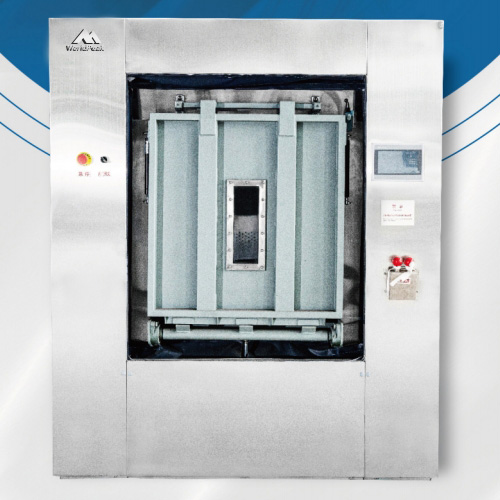
Раздельное хранение грязного и чистого белья
Грязную одежду и чистое белье следует, насколько это возможно, хранить и перевозить раздельно. Школы могут использовать отдельные корзины, тележки, стеллажи или четко обозначенные зоны, чтобы уменьшить ненужный контакт между нестиранными и чистыми текстильными изделиями.
Тележки для белья и сортировочные столы
Для централизованных прачечных кампуса транспортные тележки и сортировочные столы могут упростить сбор, классификацию, стирку и возврат одежды и постельного белья.
Системы самообслуживания для прачечных кампуса
Полный система прачечной самообслуживания является одной из наиболее характерных особенностей современных университетских и интернатских прачечных.
Вместо того чтобы выделять персонал для каждой машины, студенты могут самостоятельно выбрать стиральную или сушильную машину, произвести оплату, выбрать программу и запустить цикл.
Распространенные способы оплаты
В зависимости от оборудования и платформы управления машины кампуса могут поддерживать:
- Оплату картой кампуса
- Оплату по QR-коду
- Мобильную оплату
- Монетоприемник
- Предоплаченные прачечные счета
Преимущества систем самообслуживания
- Снижение потребности в персонале
- Удобный доступ для студентов
- Расширенные часы работы
- Централизованный мониторинг оборудования
- Упрощенное управление платежами
- Более эффективное использование общего оборудования
На больших кампусах сетевые системы самообслуживания также могут позволять операторам контролировать состояние машин, частоту использования, информацию о неисправностях и записи транзакций.
Комплектация школьной прачечной по размеру кампуса
Оптимальная конфигурация зависит от числа студентов, доли проживающих в общежитиях, ежедневного спроса и того, работает ли объект как прачечная самообслуживания или как централизованный логистический сервис.
Небольшой интернат
Небольшому интернату или компактному кампусу начальной или средней школы может быть достаточно базового набора:
- Несколько коммерческих стиральных машин
- Соответствующие коммерческие барабанные сушильные машины
- Базовые столы для складывания или отделки
- Корзины для белья и стеллажи
- Простая система оплаты или контроля доступа при необходимости
Такая конфигурация подходит при умеренном ежедневном объеме белья и ограниченной площади.
Кампус-интернат среднего размера
Школам с большим числом проживающих в общежитиях может понадобиться несколько стиральных и сушильных машин в одной зоне. Также можно установить машины разной загрузки, чтобы студенты выбирали их в зависимости от объема белья.
Система может включать:
- Несколько коммерческих стиральных машин
- Несколько коммерческих сушильных машин
- Систему оплаты самообслуживания
- Столы для сортировки и складывания
- Оборудование для водоподготовки
- Системы вентиляции и дренажа
Крупный университетский кампус
Крупным университетам с тысячами или десятками тысяч студентов обычно выгоднее использовать несколько распределенных прачечных, чем одну централизованную.
Зоны самообслуживания для стирки и сушки можно размещать в разных частях общежитий, чтобы распределить спрос и уменьшить перегруженность по вечерам и выходным.
Централизованная школьная прачечная
Некоторые интернаты централизованно стирают школьную форму, постельное белье и другие текстильные изделия через логистические службы. В таких случаях стирально-отжимные и сушильные машины большей загрузки могут быть эффективнее множества небольших машин самообслуживания.
Комплектацию следует определять исходя из общего сухого веса белья, обрабатываемого ежедневно, доступных часов работы, численности персонала и требуемого времени оборота.
Как выбрать оборудование для школьной прачечной
1. Оцените спрос студентов на стирку
Сначала школе следует оценить число студентов, которые будут пользоваться прачечной, долю проживающих в общежитиях, часы пик и среднее число загрузок на одного студента.
2. Выберите подходящую загрузку машин
Небольшие машины дают гибкость отдельным пользователям, а крупные лучше подходят для постельного белья или централизованной стирки. Сочетание разных загрузок может повысить эффективность использования оборудования.
3. Отдавайте приоритет простому и безопасному управлению
Оборудование, которым пользуются студенты, должно иметь понятные интерфейсы, простую программу выбора, защитные блокировки и автоматическую защиту от неисправностей.
4. Согласуйте мощности стирки и сушки
Сбалансированное соотношение стиральных и сушильных машин помогает избегать узких мест и уменьшает время ожидания в часы пик.
5. Учитывайте шум и вибрацию
Прачечные часто расположены рядом с общежитиями. Оборудование со стабильной системой подвески, правильной установкой и меньшим уровнем шума помогает снизить неудобства для соседних жилых зон.
6. Проверьте воду, электропитание, дренаж и вентиляцию
Перед установкой школа должна убедиться, что прачечная имеет достаточную электрическую мощность, водоснабжение, дренаж, вентиляцию и доступ для обслуживания всех планируемых машин.
7. Оцените техническое обслуживание и послепродажную поддержку
Оборудованием прачечной кампуса ежедневно может пользоваться множество разных студентов, поэтому надежное техническое обслуживание, наличие запасных частей и оперативный сервис важны для сокращения простоев.
Часто задаваемые вопросы об оборудовании школьной прачечной
Какое оборудование требуется школьной прачечной?
Типичной школьной прачечной нужны коммерческие стиральные машины, барабанные сушильные машины, корзины для белья, столы для сортировки или складывания, а также подходящие дренаж и вентиляция. Крупные кампусы могут дополнительно использовать системы оплаты самообслуживания, водоподготовку и централизованные платформы управления.
Подходят ли коммерческие стиральные машины школам лучше бытовых?
Коммерческие машины обычно лучше подходят для общих кампусных помещений, поскольку рассчитаны на более высокую частоту работы, большие загрузки и более интенсивное ежедневное использование. Оптимальный выбор зависит от числа студентов и фактического объема белья.
Сколько стиральных машин нужно школе?
Необходимое количество зависит от числа студентов, доли проживающих в общежитиях, часов работы, средней частоты стирки и загрузки машин. Крупные университеты могут распределять несколько прачечных по разным зданиям общежитий, чтобы сократить очереди.
Нужны ли сушильные машины школьным прачечным?
Сушильные машины очень полезны в интернатах и университетах, особенно в регионах с влажной или дождливой погодой. Они обеспечивают предсказуемое время сушки и уменьшают зависимость от ограниченного пространства на улице или балконах.
Какая загрузка стиральной машины подходит для прачечной кампуса?
Для студенческих прачечных самообслуживания небольшие коммерческие машины удобны для индивидуальных загрузок. Для централизованной стирки формы или постельного белья более эффективными могут быть стирально-отжимные машины большей загрузки.
Может ли школьная прачечная работать без персонала?
Да. Правильно настроенная прачечная самообслуживания может использовать оплату картой, QR-кодом, монетами или мобильными средствами и позволять студентам самостоятельно пользоваться стиральными и сушильными машинами. При этом регулярные осмотры, очистка и обслуживание все равно необходимы.
Как школы могут уменьшить очереди в прачечной?
Школы могут увеличить число машин, распределить прачечные по зонам общежитий, сбалансировать мощности стирки и сушки, установить машины разных загрузок и использовать цифровые системы, позволяющие студентам проверять доступность оборудования.
Как следует организовать чистое и грязное белье?
При централизованной стирке грязные и чистые текстильные изделия следует, насколько это возможно, сортировать, хранить и перевозить раздельно. Отдельные корзины, тележки, полки и четко определенные зоны помогают улучшить санитарное управление.
Заключение
Хорошо спроектированная школьной прачечной должна уделять основное внимание безопасности, удобству, гигиене, долговечности и простоте управления. В отличие от крупных промышленных прачечных, где приоритетом является максимальная производительность, кампусные системы ориентированы на удобство студентов, частое совместное использование, простую эксплуатацию и стабильное ежедневное обслуживание.
Для небольших интернатов может быть достаточно базовой комбинации коммерческих стиральных машин, сушильных машин и простого отделочного оборудования. Крупным университетам могут понадобиться несколько прачечных самообслуживания, интеллектуальные платежные системы и централизованный мониторинг, а школы с централизованной стиркой формы или постельного белья могут получить преимущества от стирально-отжимных и сушильных машин большей загрузки.
Тщательно учитывая число студентов, ежедневный спрос, загрузку машин, доступную площадь, инженерные ресурсы, способы оплаты, санитарное управление и техническую поддержку, школы могут создать практичную систему прачечного оборудования кампуса которая улучшает условия жизни студентов и поддерживает эффективное долгосрочное управление логистикой кампуса.